Introduction
Mental health is influenced by many factors, including genetics, lifestyle, environment, sleep, physical activity, and everyday experiences. Nutrition is another important factor that deserves attention. The foods people eat provide essential nutrients that support brain function, energy production, and several biological processes involved in emotional well-being.
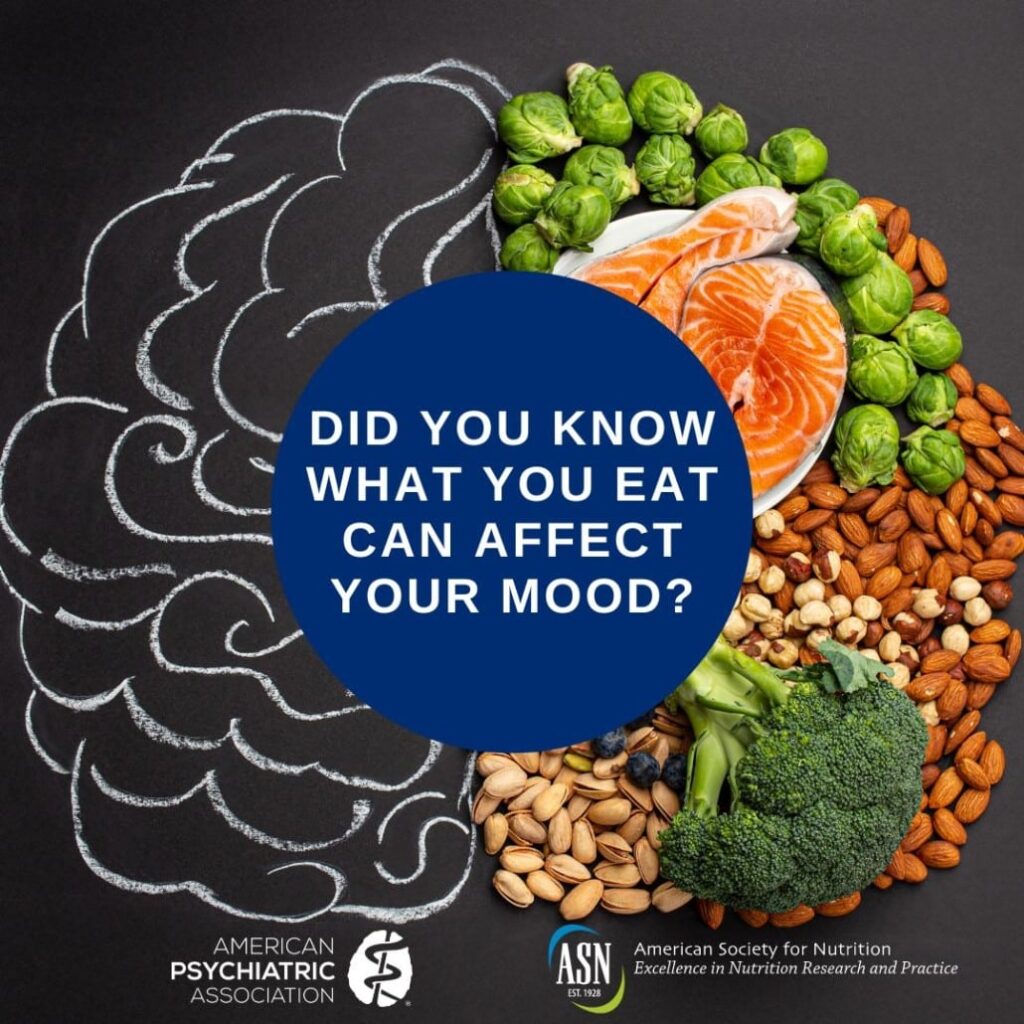
The connection between nutrition and mental health has become an important area of scientific research. Studies suggest that dietary patterns may influence aspects of brain health, mood regulation, and cognitive performance. Although food alone cannot prevent or treat every mental health condition, a balanced diet can support overall physical and psychological well-being.
Understanding how nutrition affects mental health can help individuals make more informed food choices. By including a variety of nutritious foods in everyday meals, people can support their bodies and create healthier routines.
1. How Nutrition Supports Brain Function
The brain is one of the body’s most energy-demanding organs. It requires a consistent supply of energy and nutrients to support communication between nerve cells, memory, concentration, and other essential functions.
Carbohydrates, proteins, fats, vitamins, minerals, and water all contribute to normal brain activity.
For example, carbohydrates provide glucose, which is an important energy source for the brain. Proteins supply amino acids that the body uses to produce neurotransmitters. Healthy fats help maintain the structure of brain cells.
A diet that regularly includes a variety of nutrient-rich foods can help provide the building blocks required for normal brain function.
2. The Role of Essential Nutrients in Mental Well-Being
Different nutrients contribute to processes that support brain health and normal nervous system function.
Omega-3 Fatty Acids
Omega-3 fatty acids are important components of cell membranes, including those found in the brain. They are available in foods such as salmon, sardines, walnuts, chia seeds, and flaxseeds.
Including suitable sources of omega-3 fats in a balanced diet supports general health and normal brain function.
B Vitamins
B vitamins help the body convert food into energy and support normal nervous system activity. Certain B vitamins are also involved in processes related to neurotransmitter production.
Good food sources include eggs, whole grains, leafy green vegetables, beans, fish, and dairy products.
Vitamin D
Vitamin D contributes to several important functions, including bone health and normal immune system activity. Research has also explored its relationship with mood and mental well-being.
Sources include fortified foods, eggs, and certain fish. Sunlight exposure can also help the body produce vitamin D, depending on individual circumstances.
Iron
Iron helps transport oxygen throughout the body and supports normal cognitive development and function. Insufficient iron can contribute to tiredness and difficulties with concentration.
Foods containing iron include lentils, beans, spinach, meat, and fortified cereals.
Magnesium
Magnesium participates in hundreds of biochemical reactions, including those involved in normal nerve and muscle function.
Nuts, seeds, legumes, whole grains, and leafy green vegetables are useful dietary sources.
A balanced eating pattern is generally a better way to obtain essential nutrients than relying on unnecessary supplements.
3. Understanding the Gut-Brain Connection
The gut and brain communicate through a complex network commonly known as the gut-brain axis. This communication involves the nervous system, immune system, hormones, and chemical signals.
The digestive system also contains trillions of microorganisms that form the gut microbiome. Researchers are studying how these microorganisms may influence digestion, immune activity, and communication between the gut and brain.
Diet can affect the composition and activity of the gut microbiome.
Foods that support a varied and balanced diet include:
- Fiber-rich vegetables and fruits.
- Whole grains such as oats and brown rice.
- Beans, lentils, and other legumes.
- Nuts and seeds.
- Fermented foods such as yogurt and kefir, when suitable.
Fiber helps support beneficial gut microorganisms, while fermented foods can provide live microorganisms depending on the product and preparation.
Although research into the gut-brain connection is developing, it is important not to assume that changing gut bacteria alone can treat mental health conditions.
4. How Blood Sugar Levels May Affect Mood and Energy
The body uses glucose as an important energy source. Eating patterns can influence how glucose enters the bloodstream and how energy levels change throughout the day.
Meals that contain refined carbohydrates or added sugars without much fiber or protein may cause faster changes in blood glucose levels than balanced meals.
Some people may experience fluctuations in energy, hunger, or concentration when their meals are irregular.
To support more consistent energy, consider combining different food groups.
For example:
- Choose whole grains instead of refined grains more often.
- Include protein with breakfast.
- Add vegetables or fruit to regular meals.
- Include healthy fats from nuts, seeds, or suitable oils.
- Avoid relying heavily on sugary drinks and snacks.
People with diabetes or other blood sugar conditions should follow individualized dietary advice from their healthcare professionals.
5. The Impact of Dietary Patterns on Mental Health
Research increasingly examines overall dietary patterns rather than focusing on individual foods.
A Mediterranean-style eating pattern is one example that has received attention in nutrition research. It generally emphasizes vegetables, fruits, whole grains, legumes, nuts, olive oil, and fish, while limiting highly processed foods and excessive added sugars.
Some research has found associations between healthier dietary patterns and better mental health outcomes. However, these findings do not prove that a particular diet directly prevents or cures depression, anxiety, or other mental health conditions.
A practical approach is to focus on variety, balance, and consistency rather than following restrictive eating plans.
6. Foods and Eating Habits Worth Limiting
No single food needs to be completely avoided by everyone. However, regularly consuming large amounts of certain products may make it more difficult to maintain a balanced diet.
Consider limiting:
Highly Processed Foods: Many packaged snacks and convenience foods contain high levels of sodium, added sugars, or unhealthy fats.
Sugary Drinks: Soft drinks and other sweetened beverages can add significant amounts of sugar without providing many essential nutrients.
Excessive Caffeine: Too much caffeine may contribute to nervousness, restlessness, or sleep difficulties in some individuals.
Excessive Alcohol: Alcohol can affect sleep, judgment, and emotional well-being. Reducing or avoiding it can support better overall health.
Instead of focusing only on foods to avoid, make nutritious choices more accessible and convenient.
7. How Healthy Eating Habits Can Support Emotional Well-Being
Developing a consistent eating routine can make it easier to meet nutritional needs and manage everyday responsibilities.
Helpful habits include:
- Eating regular, balanced meals.
- Keeping nutritious snacks available.
- Including vegetables and fruits throughout the day.
- Drinking enough water.
- Planning meals before busy weekdays.
- Avoiding unnecessary restrictive diets.
- Paying attention to hunger and fullness signals.
It is also important to recognize that food choices are influenced by income, availability, culture, time, and personal preferences. A healthy eating routine should be realistic and affordable.
8. Practical Ways to Improve Your Daily Nutrition
Improving nutrition does not require changing your entire diet overnight. Small steps can make healthy eating easier to maintain.
Start With Breakfast: Choose a balanced meal containing protein, fiber, and other useful nutrients. Examples include eggs with whole-grain toast or oatmeal with fruit and nuts.
Add More Vegetables: Include vegetables in lunch and dinner. Different colors provide a variety of nutrients.
Choose Nutritious Snacks: Fruit, plain yogurt, nuts, and roasted chickpeas can be convenient options.
Plan Your Meals: Preparing meals in advance can reduce dependence on highly processed convenience foods.
Stay Hydrated: Keep water available throughout the day and drink according to your individual needs.
Make Gradual Changes: Introduce one or two improvements at a time instead of following an overly restrictive diet.
Consistency is more important than perfection.
9. When Nutrition Is Not Enough
Nutrition can contribute to general well-being, but mental health is complex. Depression, anxiety, eating disorders, and other psychological conditions can involve biological, psychological, and social factors.
A healthy diet should not replace professional mental health care, prescribed treatment, or medication when needed.
If you experience persistent sadness, severe anxiety, major changes in sleep or appetite, or difficulties managing everyday activities, consider speaking with a qualified healthcare or mental health professional.
People experiencing ongoing nutritional deficiencies may also benefit from an appropriate medical assessment rather than taking supplements without guidance.
10. Building a Balanced Nutrition Plan for Long-Term Health
A sustainable nutrition plan should provide essential nutrients while fitting your lifestyle, budget, and food preferences.
You can use the following principles when planning meals:
| Food Group | Examples | General Benefits |
|---|---|---|
| Vegetables | Spinach, carrots, broccoli | Fiber, vitamins, minerals |
| Fruits | Apples, berries, oranges | Fiber and antioxidants |
| Whole Grains | Oats, brown rice, whole wheat | Energy and dietary fiber |
| Protein Foods | Eggs, fish, beans, lentils | Protein and essential nutrients |
| Healthy Fats | Nuts, seeds, olive oil | Essential fatty acids |
| Dairy or Alternatives | Milk, yogurt, fortified alternatives | Calcium and other nutrients |
The exact proportions and food choices can vary depending on age, activity level, health conditions, and cultural preferences.
Conclusion
The connection between nutrition and mental health is an important part of understanding overall well-being. A balanced diet provides nutrients that support brain function, normal nervous system activity, energy production, and other essential processes.
Including vegetables, fruits, whole grains, protein sources, healthy fats, and fiber-rich foods can help create a nutritious daily routine. Consistent eating habits, adequate hydration, and limiting excessive processed foods may also support general health.
However, nutrition is only one part of mental well-being. Sleep, physical activity, social relationships, stress management, and professional healthcare also play important roles.
By making realistic and sustainable food choices, individuals can support their overall health and develop habits that contribute to long-term well-being.